
Cart is empty. Please go to your home page for listing it.
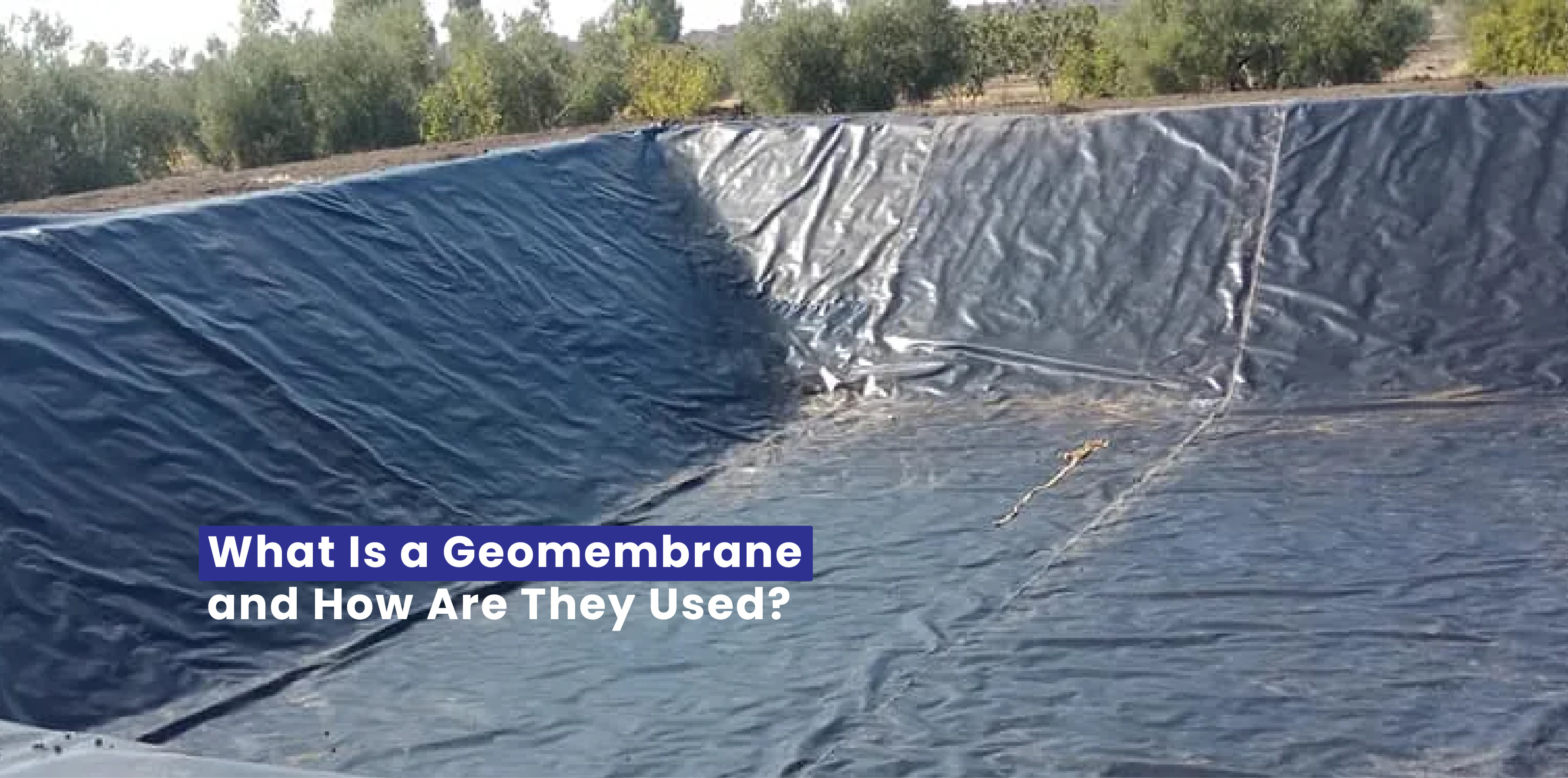

Geomembrane is a synthetic, flexible, and impermeable sheet or membrane made from various types of plastic or rubber materials, such as polyethylene, polypropylene, PVC (polyvinyl chloride), or HDPE (high-density polyethylene) and LDPE (low-density polyethylene). These geomembranes are used primarily in geotechnical and environmental engineering applications due to their ability to prevent the passage of liquids, gases, or contaminants through them.
If you are looking geomembranes in Lahore DECORA Geomembranes is the best choice. DECORA Plastic Industries offers Geomembranes in various types, each tailored to specific applications based on factors such as material properties, thickness, and environmental conditions. Here are some common types of DECORA geomembranes:
PVC geomembranes are known for their chemical resistance and UV stability. They are often used in applications like wastewater treatment ponds, decorative pond liners, and mining heap leach pads.
HDPE geomembranes are one of the most widely used types. They are known for their high chemical resistance, durability, and flexibility. HDPE geomembranes are commonly used in landfill liners, mining applications, and pond liners.
Geomembranes are frequently employed in various applications across Pakistan such as landfill liners and covers, as well as for environmental containment in ponds and reservoirs. They provide a reliable barrier to prevent the seepage of liquids and contaminants. Such as
Geomembranes serve as impermeable barriers to control the flow of liquids and gases. They are designed to be resistant to chemical and biological degradation, making them suitable for various containment applications.
Geomembranes are often used in environmental protection projects, such as lining landfills, waste containment facilities, and hazardous waste storage sites. They prevent the leakage of pollutants into the soil and groundwater, thus safeguarding the environment.
In water management projects, geomembranes are used for lining reservoirs, canals, and ponds to prevent seepage and ensure water retention. This helps in the efficient storage and distribution of water resources.
In mining and oil & gas operations, geomembranes are employed as liners for tailings ponds and containment structures to prevent the release of potentially harmful substances into the surrounding environment.
In agriculture, geomembranes can be used to line irrigation canals and storage ponds, helping to reduce water loss through seepage and improve water efficiency.
Geomembranes play a role in stormwater management by preventing pollutants from infiltrating the ground, which is important for maintaining water quality in urban areas.
Geomembranes are used in erosion control systems, such as retaining walls and slope stabilization, to prevent soil erosion and promote landscape stability.
In aquaculture, geomembranes are used to line fish ponds, ensuring proper water containment and facilitating the maintenance of water quality for fish farming.
Geomembranes are used in landscaping projects to create decorative ponds, water features, and artificial lakes. They help prevent water seepage and maintain the desired water levels.
Geomembranes are used in tunnel construction to prevent water ingress and protect underground structures from water damage.
Geomembranes can be used as floating covers on reservoirs or tanks to minimize evaporation and reduce contamination of stored liquids.
DECORA Geomembrane waterproofing applications, making them a popular choice for a wide range of construction and environmental projects. Here are some of the key benefits of using DECORA Geomembranes:
DECORA’s Geomembranes are highly effective at preventing the passage of liquids, including water, chemicals, and contaminants. They create a reliable barrier that keeps structures and the environment dry.
Our geomembranes are designed to withstand harsh environmental conditions, including UV radiation, temperature fluctuations, and chemical exposure. They have a long service life, often lasting several decades without significant deterioration.
While the initial installation cost of geomembranes may be higher than some other waterproofing methods, their longevity and effectiveness can result in significant cost savings over the life of a project. They require minimal maintenance and repair.
Geomembranes are commonly used in environmental protection applications, such as lining landfills, ponds, and containment basins. They help prevent the leakage of hazardous materials, protecting both human health and the environment.
Geomembranes can adapt to irregular surfaces and contours, ensuring a tight and secure fit. This flexibility allows for their use in a wide range of project types, including reservoirs, tunnels, and slope stabilization.
Geomembranes are commonly used in the containment of hazardous waste, preventing leachate from contaminating groundwater. This helps protect local ecosystems and drinking water sources.
Geomembranes can be installed relatively quickly, reducing construction time and minimizing disruption to the surrounding environment or community.
Geomembranes provide a visual and measurable barrier, making it easy to inspect and identify any issues or damage. This simplifies maintenance and repair efforts.
Geomembranes can be used in conjunction with other geosynthetic materials, such as geotextiles and geogrids, to enhance their performance and stability.
DECORA Geomembranes often meet industry standards and regulatory requirements for waterproofing and environmental protection, ensuring compliance with relevant laws and regulations.

As a PVC industry leader, we offer more than just PVC flooring products – consultation, installation, maintenance, and a customer-centric approach emphasizing honesty, transparency, and exceptional service
0 COMMENTS