

Cart is empty. Please go to your home page for listing it.
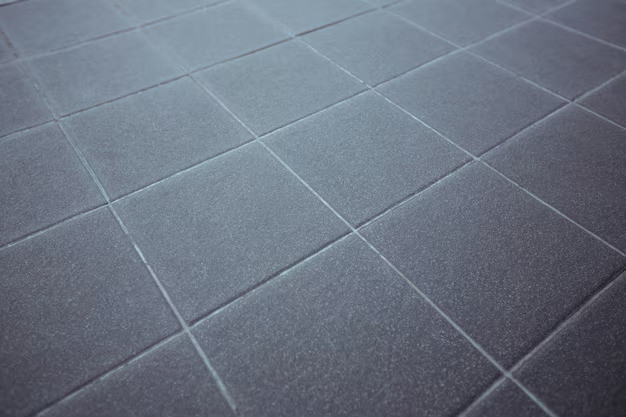

The construction industry, with its ever-evolving technologies and innovations, constantly seeks materials and methods that enhance safety, durability, and functionality. Among the breakthroughs transforming this field is Anti Skid flooring, a practical yet revolutionary solution designed to combat one of the most common hazards in built environments—slippage. From residential spaces to industrial complexes, Anti Skid flooring has carved its niche, redefining how professionals and homeowners approach floor design and safety.
In this comprehensive exploration, we delve into the profound impact of Anti Skid flooring on the construction industry, its key benefits, applications, and the reasons why it has become a must-have feature in modern construction projects.
Slippery surfaces have been a longstanding safety concern in various environments. Construction sites, public spaces, factories, and even homes have witnessed accidents caused by inadequate grip underfoot. These incidents often lead to injuries, lawsuits, and significant costs, emphasizing the need for a preventive measure. Enter Anti Skid flooring, a product that combines material science with practical design to drastically reduce slip-related hazards.
Anti Skid flooring was initially developed to address the needs of high-risk environments like hospitals and industrial facilities. However, its undeniable effectiveness quickly paved the way for its adoption across other domains. Today, it is no longer just a safety feature—it is a standard that reflects a commitment to creating secure and functional spaces.
The effectiveness of Anti Skid flooring lies in its innovative design and advanced manufacturing techniques. Here are some of the key features that make it a game-changer:
Enhanced Surface Grip: Anti Skid flooring employs specially engineered textures and patterns that provide superior traction underfoot. This feature significantly reduces the likelihood of slips, even in wet or oily conditions.
Durable Materials: Made from high-quality materials like vinyl, rubber, or epoxy, Anti Skid flooring is built to withstand heavy foot traffic, abrasion, and wear over time. Its longevity makes it a cost-effective investment for construction projects.
Water and Chemical Resistance: Many Anti Skid flooring options are designed to resist water and chemical spills, making them ideal for environments like kitchens, laboratories, and manufacturing facilities.
Customizable Designs: Anti Skid flooring is available in a wide range of colors, patterns, and finishes, allowing architects and designers to integrate safety without compromising aesthetics.
Eco-Friendly Options: In response to the growing demand for sustainable construction practices, manufacturers now offer eco-friendly Anti Skid flooring made from recycled materials, further enhancing its appeal in green building projects.
The versatility of Anti Skid flooring has made it a preferred choice for various applications. Let’s explore how different sectors are leveraging its benefits:
Residential Buildings: Homeowners prioritize safety, especially in spaces like bathrooms, kitchens, and balconies where slip risks are high. Anti Skid flooring not only ensures safety but also adds a touch of elegance to interior and exterior designs.
Commercial Spaces: Offices, shopping malls, and restaurants experience high foot traffic, making Anti Skid flooring a practical choice to minimize accidents. Its aesthetic adaptability also complements the sophisticated look of commercial interiors.
Industrial Facilities: Factories and warehouses require floors that can withstand heavy machinery and spills while maintaining safety. Anti Skid flooring meets these demands, ensuring a secure environment for workers and equipment.
Healthcare Environments: Hospitals and clinics must maintain hygienic and safe surfaces. Anti Skid flooring offers antimicrobial properties alongside slip resistance, making it an excellent choice for medical facilities.
Educational Institutions: Schools and colleges benefit from Anti Skid flooring in areas like cafeterias, gyms, and laboratories, where the risk of spills and accidents is higher.
Transportation Hubs: Airports, train stations, and bus terminals see thousands of passengers daily. Anti Skid flooring helps manage the risks of slips caused by wet footwear or luggage dragging.
One of the standout attributes of Anti Skid flooring is its ability to meet and exceed safety standards set by regulatory authorities. Many countries have strict guidelines for slip resistance in public and private spaces, and Anti Skid flooring is designed to comply with these regulations.
For instance, the Coefficient of Friction (COF) is a critical measure used to evaluate the slip resistance of a surface. Anti Skid flooring typically exhibits a high COF, ensuring it meets the required thresholds for safety certifications. This compliance not only protects occupants but also shields property owners and developers from liability in case of accidents.
While the upfront cost of Anti Skid flooring may be slightly higher than traditional flooring options, its long-term benefits make it a cost-effective choice. Here’s why:
Reduced Accident Costs: By preventing slips and falls, Anti Skid flooring saves on medical expenses, compensation claims, and legal fees.
Lower Maintenance: Its durability and resistance to wear and tear reduce the need for frequent repairs or replacements, resulting in lower maintenance costs.
Energy Efficiency: Some Anti Skid flooring options feature light-reflective properties, reducing the need for artificial lighting and lowering energy consumption.
Improved Property Value: Properties equipped with Anti Skid flooring often command higher market value due to their enhanced safety and functionality.
The construction industry’s focus on innovation has spurred the development of cutting-edge Anti Skid flooring solutions. Here are some of the latest trends:
Smart Flooring: Integrating sensors into Anti Skid flooring to monitor foot traffic and detect potential hazards in real time.
Sustainable Manufacturing: Using recycled and biodegradable materials to create environmentally friendly Anti Skid flooring options.
Hybrid Designs: Combining Anti Skid features with soundproofing and insulation properties to create multifunctional flooring solutions.
Aesthetic Enhancements: Advanced printing technologies now allow for realistic textures and patterns, mimicking materials like wood or stone without compromising slip resistance.
While Anti Skid flooring has achieved widespread adoption, it is not without challenges. The higher initial cost and limited awareness in some markets are barriers that manufacturers and industry leaders are working to overcome. However, the growing emphasis on safety and sustainability suggests a bright future for Anti Skid flooring.
As architects, contractors, and developers continue to prioritize safety and performance, Anti Skid flooring is poised to become a cornerstone of modern construction practices. Its ability to seamlessly blend safety, durability, and aesthetics makes it an indispensable asset in creating spaces that are not only functional but also inspiring.
In conclusion, Anti Skid flooring has emerged as a transformative force in the construction industry. Its impact extends beyond safety, influencing design, compliance, economics, and innovation. As we look ahead, the adoption of Anti Skid flooring is set to rise, further shaping the landscapes of homes, workplaces, and public spaces. Whether you’re a homeowner, a builder, or an industry professional, investing in Anti Skid flooring is a step toward a safer, smarter, and more sustainable future.

As a PVC industry leader, we offer more than just PVC flooring products – consultation, installation, maintenance, and a customer-centric approach emphasizing honesty, transparency, and exceptional service
0 COMMENTS