

Cart is empty. Please go to your home page for listing it.
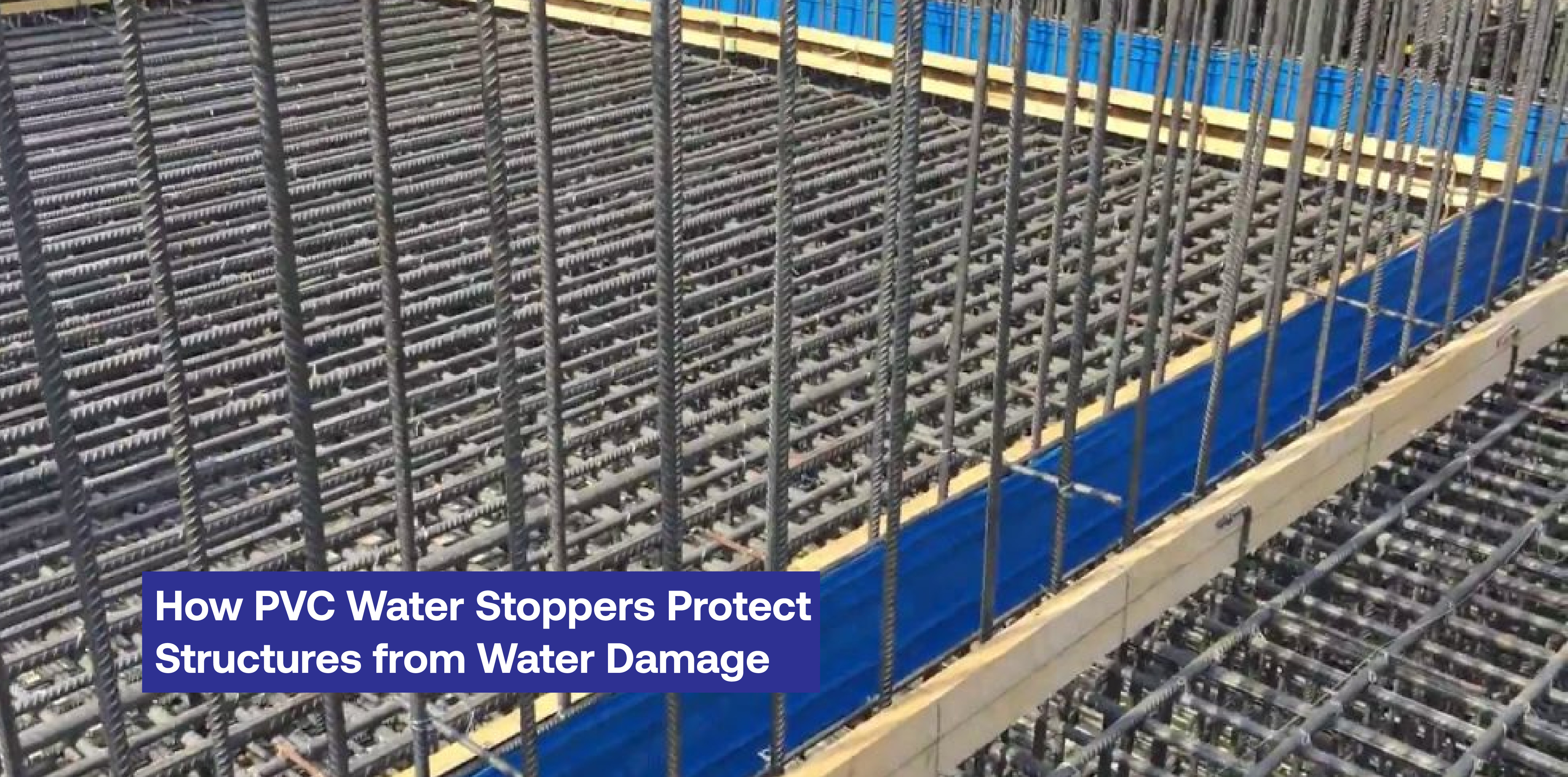

The force of water can severely compromise the integrity of a structure if not properly checked at construction sites. This is among the many methods and materials used to prevent water seepage. It highlights one of the most effective means of preventing water from damaging structures. This article explains how simple and direct it is on the nature, function, and benefits of PVC water stoppers toward protecting structures against water damage.
Understanding Water Damage In Structures
Poor waterproofing of structures, heavy downpours, high ground-water levels, or rupture of pipes in plumbing will result in water damage and subsequent structural weakening as:
Structural Weakening: Materials like concrete and steel begin to lose their strength if allowed to stay wet for many months.
Cracks and Crevices: Water usually seeps in through cracks; and within several months, this crack becomes a crevice.
Corrosion: Exposure to moisture causes corrosion of the reinforcement. Resulting in the structure being unstable.
Mold and mildew growth: Water infiltration creates moist conditions that lead to mold and mildew growth. which may be harmful to health and beauty
These are a simple solution to these problems by sealing the water seepage at construction joints.
What is waterproof PVC?
Waterproof PVC is a flexible strip made from polyvinyl chloride (PVC) designed to seal construction joints and prevent water from entering. These joints are critical points in a structure where two concrete blocks meet. If not sealed properly These areas are vulnerable to leaks.
These stoppers are used in:
Basements
Water tanks
Tunnels
Dams
Bridges
Swimming pools
Their primary purpose is to act as a barrier to block water passage, ensuring a watertight construction.
How PVC Water Stoppers Work?
It works by creating a physical barrier at construction joints, expansion joints, or contraction joints. Here’s how they function:
Embedded Installation: These are embedded in concrete during the construction process. Half of the stopper is embedded in the first pour of concrete, while the other half is embedded in the subsequent pour.
Flexible Design: Their flexible design allows them to adjust to slight movements in the structure, ensuring an uninterrupted seal.
Resistance to Water Pressure: PVC water stoppers are engineered to withstand hydrostatic pressure, making them ideal for structures exposed to high water loads.
Dual Role: They block water ingress and prevent water from escaping, making them useful in structures like water tanks and dams.
It comes in various shapes and sizes to suit different construction needs. Some common types include:
Feature ribbed profiles for better bonding with concrete.
Ideal for water-retaining structures like reservoirs and tanks.
Provide flexibility at expansion joints.
Suitable for structures requiring movement accommodation, such as bridges and tunnels.
Placed at the base of construction joints.
Commonly used in basement construction.
Have serrated edges for superior grip.
Used in high-pressure water applications.
Feature a central bulb to accommodate movement.
Designed for structures with expansion and contraction joints.
Each type is tailored to specific construction scenarios, ensuring optimal waterproofing performance.
Advantages of PVC Water Stoppers
PVC water stoppers have various advantages that make them the go-to waterproofing solution for construction.
Reliability
It is highly resistant to environmental factors, such as UV rays, chemicals, and aging. Thus, it ensures long-term protection against water damage.
Its flexibility allows PVC water stoppers to adjust to movements in the structure, which can be caused by shrinkage, expansion, or settlement. This means that they can provide a continuous seal against water.
It does not react to chemical products present in soil or water, thus suitable for diverse environments.
It is relatively cheaper than the other waterproofing options as it provides an affordable means of protecting structures from water damage.
Their simple installation process reduces construction time and labour costs.
PVC water stoppers can be cut to any width, depth, and shape based on the requirements of a project.
Installation is necessary to ensure the effectiveness of PVC water stoppers. In general, the procedure entails:
Planning and Design: Choose the right kind and size of PVC water stopper depending on the need of the project.
Positioning: Install the stopper at the joint place before pouring the concrete.
Fixing: Hold the stopper in place with clamps or a holding mechanism in order not to shift out when the concrete is being poured.
Concrete Pouring: Pour the first concrete layer, making sure half of the stopper was embedded. After curing, pour the second layer embedding the other half.
Quality Checks: Check for the correct alignment and bonding without gaps or misplacement
To guarantee long-term performance, regular inspection and maintenance are needed.
Visual Checks: Look at exposed parts for signs of wear or damage.
Cleaning: Remove dirt and debris on the surface to preserve it.
Replacement: Replace the worn-out or damaged part right away to avoid leakage due to water.
PVC water stoppers are better than traditional materials like rubber or metal due to these superior properties:
Lightweight yet Strong: This water stopper is easy to handle and install without reducing its durability.
Non-Corrosive: PVC, unlike metal, does not corrode, ensuring it provides long-lasting performance.
Eco-Friendly: The modern PVC water stopper is recyclable with reduced environmental impact.
Waterproof PVC plays an important role in protecting structures from water damage. By creating water barriers at construction joints. They will prevent water from entering. Extend the life of the building and reduce maintenance costs. Their flexibility, durability and cost-effectiveness make them an indispensable component in modern construction projects. Investing in a quality PVC water stopper is a proactive way to save on significant repair costs. and protect structural integrity for years to come. Whether it's a basement, water tank, or dam, PVC waterproofing is a reliable ally in the fight against water damage.

As a PVC industry leader, we offer more than just PVC flooring products – consultation, installation, maintenance, and a customer-centric approach emphasizing honesty, transparency, and exceptional service
0 COMMENTS