

Cart is empty. Please go to your home page for listing it.
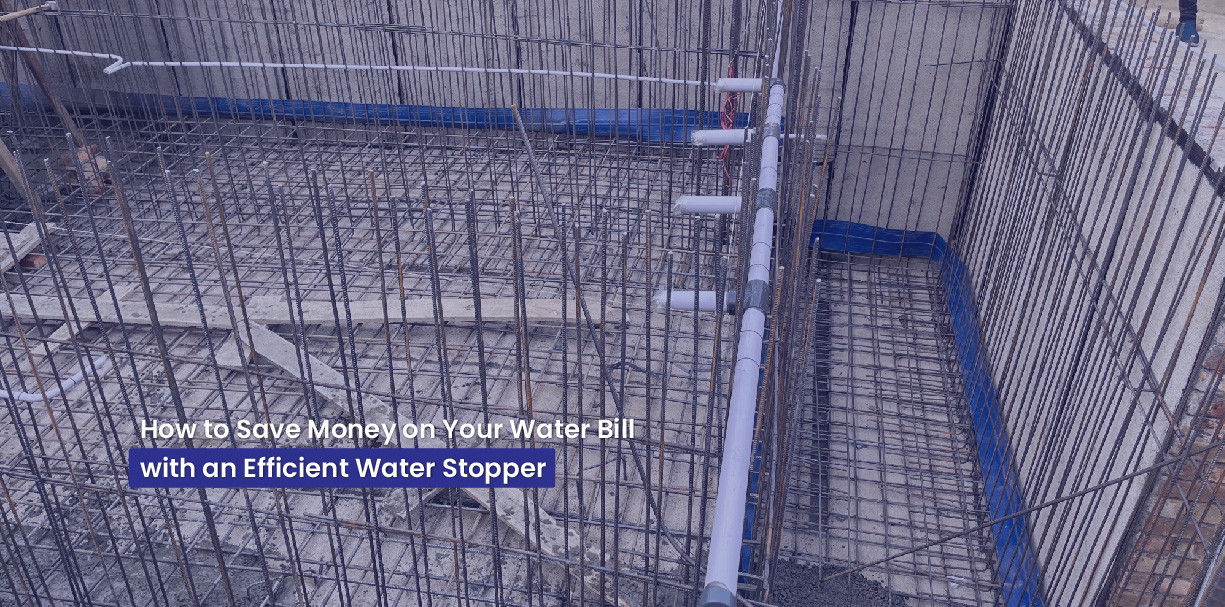

Saving money on your water bill is environmentally friendly and a financial choice. One effective way to achieve this is by using an efficient water stopper. Using a water stopper at home can help you save water and lower your bills a lot. This simple yet powerful device helps control water flow, preventing unnecessary usage and promoting conservation. Here's a guide on how to cut your water bill with a good water stopper.
Are you looking for practical ways to reduce your water bill? One often overlooked yet effective method is using an efficient water stopper. Use this easy fix to use less water and save money over time.
Did you know about the water stopper? It is also known as a water stop. It is a necessary element in concrete structures designed to prevent the passage of fluids, particularly water, through joints in the concrete. The functionality of the water stopper depends on the material used.
Purpose: Prevents the passage of fluids through concrete joint
Categories: For joints without movement (construction cold joints) and joints with movement (dilation joints)
Material Varieties: Manufactured from a variety of materials based on functionality and use
Not all water stoppers are created equal when it comes to saving water. Look for a high-quality stopper designed to block water flow when not in use effectively. Consider options like adjustable stoppers that allow you to control the water flow based on your needs.
Factors to Consider:
Material: Opt for durable materials like silicone or rubber for longevity.
Size: Ensure the stopper fits securely in your sink or bathtub drain.
Efficiency: Look for features like a tight seal to prevent water leakage.
Installation is the most important thing to maximize the efficiency of your water stopper.
Make sure it fits right in your sink or bathtub drain to stop leaks or wasting water.If you're not sure how to install it, ask a plumber to do it right.
Installation Tips:
Clean the drain before installing to ensure a proper seal.
Follow manufacturer instructions for the best fit.
Test the stopper after installation to check for any leaks.
Using a water stopper and developing water-saving habits can reduce your water bill. Simple practices, such as turning off the tap while brushing your teeth, taking shorter showers, and promptly fixing leaks, can significantly minimize water consumption.
Water-Saving Habits:
Fix dripping faucets promptly to prevent water wastage.
Use a stopper when washing dishes to reduce water usage.
Consider collecting and reusing greywater for non-potable purposes.
Keep track of your water usage to gauge the impact of using a water stopper. Look at your water bills before and after using the stopper to see if you're using less water. This helps you save money and know how much water you use.
Tracking Tips:
Use water monitoring devices to track usage in real time.
Set water-saving goals to motivate yourself to reduce consumption.
Educate family members on the importance of water conservation for collective efforts.
Continuously check that your water stopper works efficiently and perform regular maintenance. Clean it every day to stop dirt or grime from building up and causing problems. Look for damage and change it if needed. Here are some benefits of regular maintenance of water stoppers.
Extends the lifespan of the water stopper
Prevents leaks and water damage
Ensures proper functioning of the stopper
Keeping the bathroom clean
Saves money on fixing things
Makes the plumbing work better
Decora provides efficient water stoppers to help individuals save money on their water bills by promoting water conservation; it aims to provide efficient solutions for individuals. Decora's expertise in the window blind industry extends to the realm of water stoppers, ensuring high-quality products and installations to help customers reduce water usage effectively.
Benefits of Using Decora Water Stoppers:
Creates a watertight barrier to prevent moisture seepage and water damage
Extends the lifespan of structures by protecting against corrosion and damage
Maintains the stability and strength of constructions by preventing water infiltration
Reduces maintenance costs and repairs associated with water-related damage
Promotes environmental responsibility by minimizing water wastage
Supporting sustainable construction practices

As a PVC industry leader, we offer more than just PVC flooring products – consultation, installation, maintenance, and a customer-centric approach emphasizing honesty, transparency, and exceptional service
0 COMMENTS