

Cart is empty. Please go to your home page for listing it.
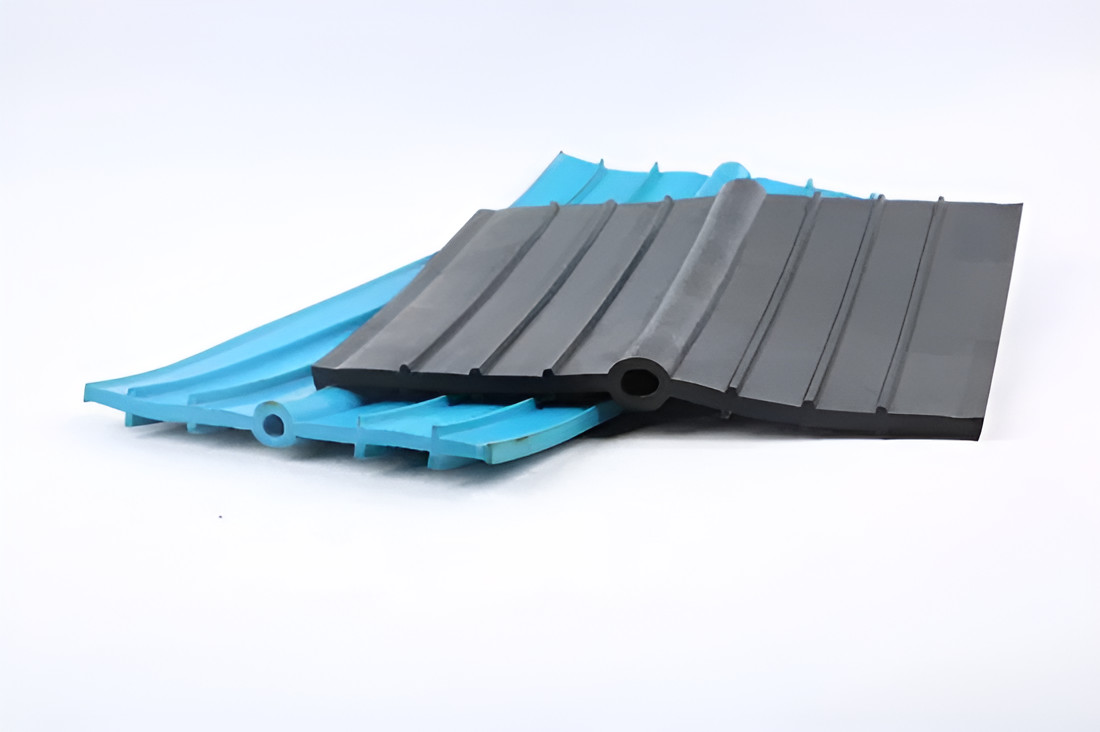

Waterproofing is an integral aspect of construction and civil engineering practices. Regardless of whether one works on a commercial building, residential building, or infrastructure, water ingress must be prevented in order to maintain the structure's integrity and longevity. Joint waterproofing is one of the most effective practices in this situation, and PVC water stoppers are almost as effective for ensuring this safety. Here we will discuss the benefits of using PVC water stoppers in joint waterproofing and why they are a favorite option among many construction projects.
What Are PVC Water Stoppers?
PVC (Poly Vinyl Chloride) water stoppers are flexible, durable, and inexpensive materials designed to seal joints in concrete structures. These types of joints may be expansion joints, construction joints, or even movement joints. Due to these conditions, they are highly prone to water infiltration which leads to the insertion of water stoppers into joints during construction.
PVC water stoppers are manufactured in several shapes and sizes according to specifications because they are made from the best PVC for flexibility, tensile strength, and chemical and environmental resistance.
Construction joints are really well sealed from the entry of water in PVC water stoppers, wherein these are their excellent efficacy. To be watertight, most of the buildings subjected to continuous water pressure require the following:
Reservoirs
Dams
Tunnels
Swimming pools
Basements
These cause entry holes in the building, which permit ingress of water. Damage by water works can be taken care of by concrete deterioration and corrosion of steel reinforcements.
Flexibility and Durability
PVC water stoppers are pretty flexible. They take up most natural movements of the structure, like thermal expansion and contraction, making sure it maintains its integrity and performance for a long time.
Moreover, PVC water stoppers are durable and resistant to wear; and withstand environmental conditions like temperature change, UV exposure, and chemicals, making the water stoppers one of the best choices for long-term use in construction projects.
Chemical Resistance
Some structures are subjected to chemicals like wastewater treatment plants, industrial facilities, and chemical storage tanks. PVC water stoppers have a very good chemical resistance to many chemicals and their performance will not be impaired in such environments. Their use is reliable with these considerations for industrial and chemical-related projects.
Ease of Installation
Installation of PVC water stoppers becomes very easy and it does not require any special tool or equipment. Due to their lightweight and flexibility, they can be easily handled and placed at the time of construction. In addition, they can also be easily spliced or connected on-site to fit into certain joint configurations.
Cost Effectiveness
Joint waterproofing with PVC water stoppers is an economical affair as it has a longer life with minimal maintenance, resulting in huge savings over the time course. An investment in quality PVC water stoppers would keep a construction project laughingly free of costly repairs and replacements from water damage.
Customizable Designs
The PVC water stopper, with several profiles and dimensions, makes it easier for any project to perfectly match dimensions. Besides this, their manufacturers would be able to design them according to specifications. Common profiles are:
Dumbbell-shaped
Knobby-shaped
Straight-type
Bulbous type
Each profile serves different purposes and, hence, each is improvised for the best performance to be delivered in different structures.
Contribute to Environmental Sustainability
They help sustain the environment in construction. They were made from recyclable elements, which will minimize waste and have less adverse impact on the environment. They are durable enough indeed to last for many years, thereby reducing unnecessary replacements.
They have multifarious applications ranging from construction joints in concrete walls, slabs, and foundations to prevent water leakage to other areas such as dam and reservoir construction, tunnel and underground structure construction, basement and subway, swimming pool, and water park construction, industrial and chemical plants where joints are made watertight with reinforcement.
Applications of PVC Water Stoppers
PVC water stoppers are versatile and suitable for a wide range of applications, including:
Concrete Structures: For applications in construction joints of concrete walls, slabs, and foundations to prevent water leakage.
Dams and Reservoirs: For sealing of joints in the water-retaining structure.
Tunnels and Underground Structures: Waterproofed areas were subjected to groundwater pressure.
Basements and Subways: Slope to below-grade structures to prevent water penetration.
Pools and Water Parks: Watertight joints in recreational waters.
Industrial and Chemical Plants: Protection of joints from an aggressive chemical environment and waterproofing.
PVC water stops work on the principle of convenient placement in the construction joints. While pouring concrete, these stoppers are placed inside the concrete. When the concrete sets, a water stop will hold the joint and prevent water from running through.
In case water pressure or movement of structure takes place, flexibility is constrained as plastic changes to adapt but does not lose its sealing capabilities. Bulb or ribbed profiles provide more grip inside the concrete and enhance performance under pressure.
There are various features to consider while selecting PVC water stoppers for construction activities, such as:
Type of Joint: Find out whether the joint is an expansion, construction, or movement joint to choose the right profile.
Water Pressure: Check the water pressure expected and choose a water stopper with sufficient resistance.
Chemical Exposure: For environments which do exposure to chemicals, use PVC water stoppers with high chemical resistance.
Size and Profile: Check the size and profile of the water stopper with the joint specification for matching.
Installation Requirements: Choose water stoppers that are easy to install and how they fit into the construction process.
Proper Installation is very important for the good performance of PVC water stoppers.
Centering: Insert the water stopper at the joint center for best sealing.
Maintaining Support: Use clamps or wires to hold the water stopper down while pouring concrete.
Splicing: Use proper techniques for splicing water stoppers by either heat welding or by adhesives for any longer joint.
Avoiding Damage: Prevent contact injury to the water stopper during both handling and during installation.
Inspection: Inspect thoroughly before and after pouring concrete to check the proper positioning and integrity of the water stopper.
Decora provides excellent PVC water stoppers that are strong, flexible, and affordable. These stoppers help keep joints in your construction projects waterproof and protected. With Decora’s high-quality products, you can prevent water leaks, damage from chemicals, and other environmental issues.
Decora’s water stoppers come in different designs to fit various needs, whether you’re working on dams, tunnels, swimming pools, or basements. They are easy to install, saving you time and effort. With Decora, you can trust that your building will stay safe and strong for years to come.

As a PVC industry leader, we offer more than just PVC flooring products – consultation, installation, maintenance, and a customer-centric approach emphasizing honesty, transparency, and exceptional service
0 COMMENTS